As content creation evolves, live platforms like DreamCams have become go-to hubs for creators, educators, and digital professionals. But once the moment passes, it’s gone forever—unless you’re recording. A DreamCams recorder helps you capture every second in high quality. Whether it’s for repurposing, reviewing, or sharing, recording your sessions is now a creative and strategic necessity.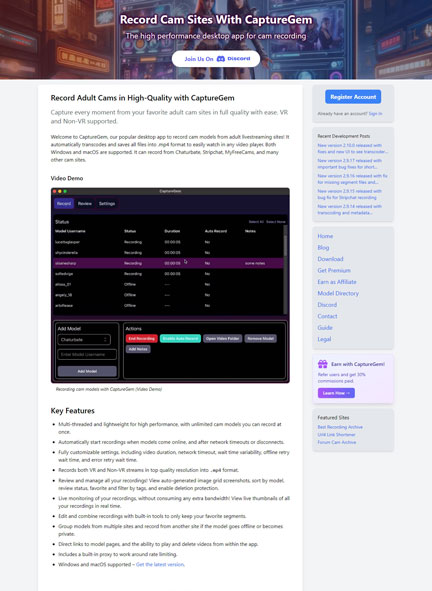
The Shift from Live to Evergreen Content
Live streaming is thrilling and real—but short-lived. What if you could extend the value of each session long after it ends? That’s where recording changes the game.
By capturing your sessions, you:
-
Create evergreen content
-
Save meaningful interactions
-
Improve editing and branding workflows
-
Build a content archive for future reuse
Today’s audience consumes content on-demand. A DreamCams recorder allows you to meet that demand without redoing your work.
Must-Have Features in a Recording Tool
Not all recorders are designed for webcam-heavy, high-interaction platforms. A good recorder built for DreamCams should include:
-
HD/Full HD/4K support
-
Low-lag screen and webcam capture
-
Noise-filtered mic input
-
Frame rate customization
-
Multiple output options (MP4, MKV, AVI)
These features ensure that your recordings look professional even before you edit.
The Ideal Setup: Step-by-Step
Here’s how to set up your DreamCams recorder properly:
-
Download & Install
Choose your recorder from an official source and install it on your system. -
Adjust Settings
Select your camera, mic input, resolution (start with 1080p), and frame rate (usually 30 fps for smooth visuals). -
Test Everything
Run a short test to ensure your video is smooth, audio is synced, and nothing looks off. -
Start Your Session
Begin your DreamCams stream and hit record. The tool does the rest in the background.
Need advanced help or visual step-by-step instructions? Visit:
👉 https://www.capturegem.com/guide/record-from-dreamcam
Common Recording Pitfalls to Avoid
Even the best recorder can’t save a poorly prepared session. Avoid these common mistakes:
-
Recording in low light – Webcams need good lighting to deliver clear visuals
-
Using default mic – Switch to a headset or standalone microphone
-
Skipping test recordings – You’ll regret not catching a tech issue early
-
Ignoring updates – Outdated software leads to glitches or lower quality
A little pre-recording discipline can save hours of rework later.
Real Use Cases: Who Actually Needs It?
The answer? Nearly everyone who creates live content:
-
Educators & coaches creating replays for students
-
Product reviewers & influencers capturing tutorials
-
Virtual presenters & consultants saving client sessions
-
Social media creators repurposing content for different platforms
-
Everyday users archiving private or memorable calls
No matter your niche, if you’re using DreamCams, you’ll benefit from a high-quality recording.
Pro Tips for High-Impact Video Content
Want to go from basic to branded? Try these tips:
-
Use a ring light and simple background for webcam shots
-
Speak clearly with minimal filler
-
Keep sessions focused and avoid rambling
-
Use file-naming conventions (e.g., date + topic) for easy organization
-
Edit and add overlays before publishing or sharing
Content that looks and sounds polished builds more trust and engagement.
Conclusion
A DreamCams recorder isn’t just a tech tool—it’s a content multiplier. It helps creators like you capture fleeting moments and turn them into long-term value. With the right setup, even your live sessions can become your most powerful evergreen assets.
To explore setup guides, FAQs, and the best practices for DreamCams recording, check out the official help page:
👉 https://www.capturegem.com/guide/record-from-dreamcam


